


Aube Supplements
Magnesium Bisglycinate — 60 vegan tablets
Magnesium Bisglycinate — 60 vegan tablets
Couldn't load pickup availability
A magnesium complex led by 80% bisglycinate, delivering 200 mg of magnesium per daily serving. Organic, chelated magnesium forms offer good bioavailability, while the blend supports everyday energy, normal muscle function and the nervous system.
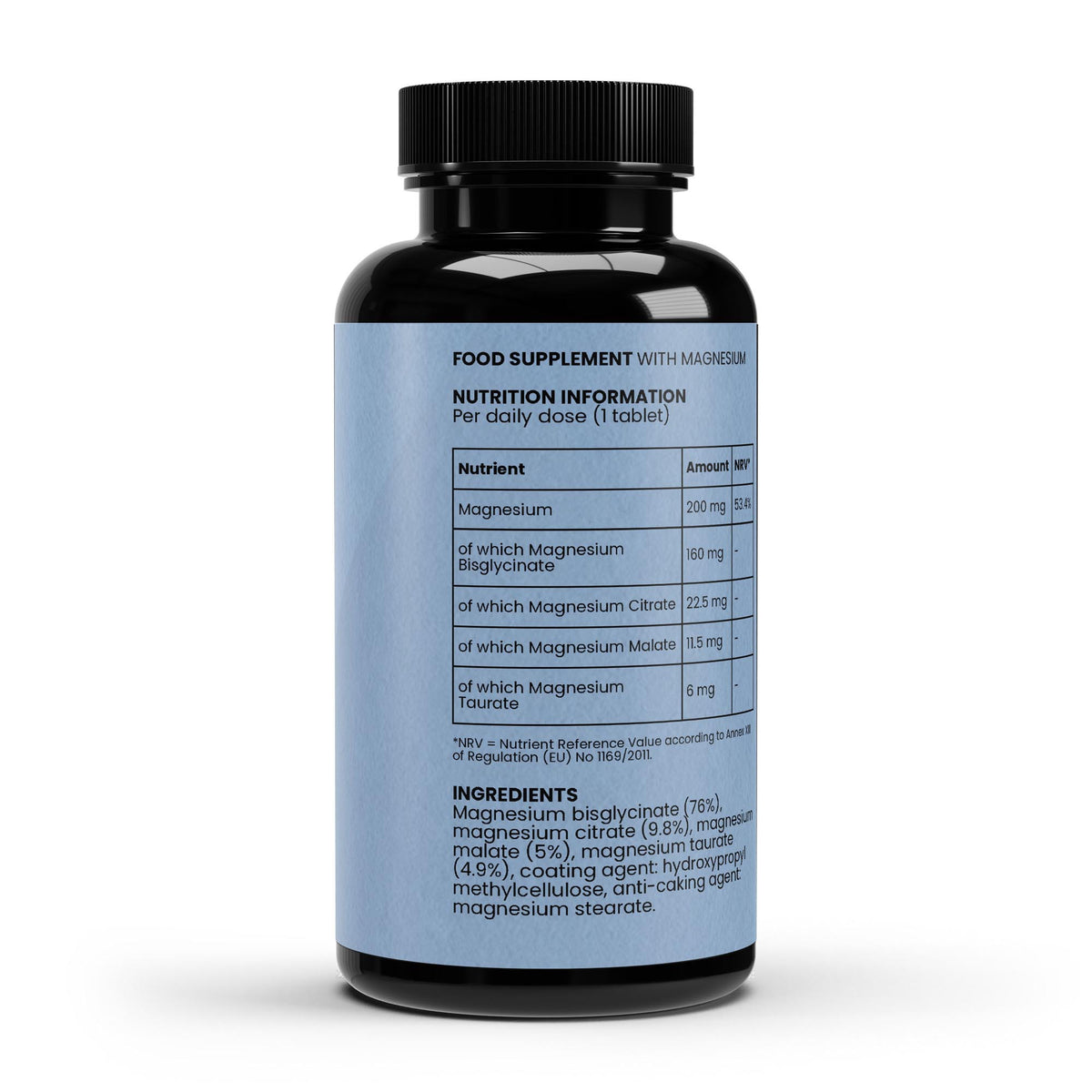
Nutrition information
Per 2 tablets: Magnesium 200 mg (53.4% NRV), of which magnesium bisglycinate 160 mg, magnesium citrate 22.5 mg, magnesium malate 11.5 mg and magnesium taurate 6 mg.
Why magnesium
- The magnesium contributes to the reduction of tiredness and fatigue.
- The magnesium contributes to normal energy-yielding metabolism.
- The magnesium contributes to normal functioning of the nervous system.
- The magnesium contributes to normal muscle function.
- The magnesium contributes to normal protein synthesis.
A 2025 randomized, double-blind, placebo-controlled trial in 155 adults reporting poor sleep found an improvement in insomnia severity after four weeks with magnesium bisglycinate. The result is promising rather than a therapeutic promise.
Science and sources
- Schuster et al. (2025) — Magnesium bisglycinate and poor sleep: randomized controlled trial
- Pardo et al. (2021) — Bioavailability of magnesium food supplements: systematic review
- Schuchardt & Hahn — Intestinal absorption and magnesium bioavailability
- European Commission — Permitted magnesium health claims
Ingredients
Magnesium bisglycinate (76%), magnesium citrate (9.8%), magnesium malate (5%), magnesium taurate (4.9%), coating agent: hydroxypropyl methylcellulose, anti-caking agent: magnesium stearate.
Directions
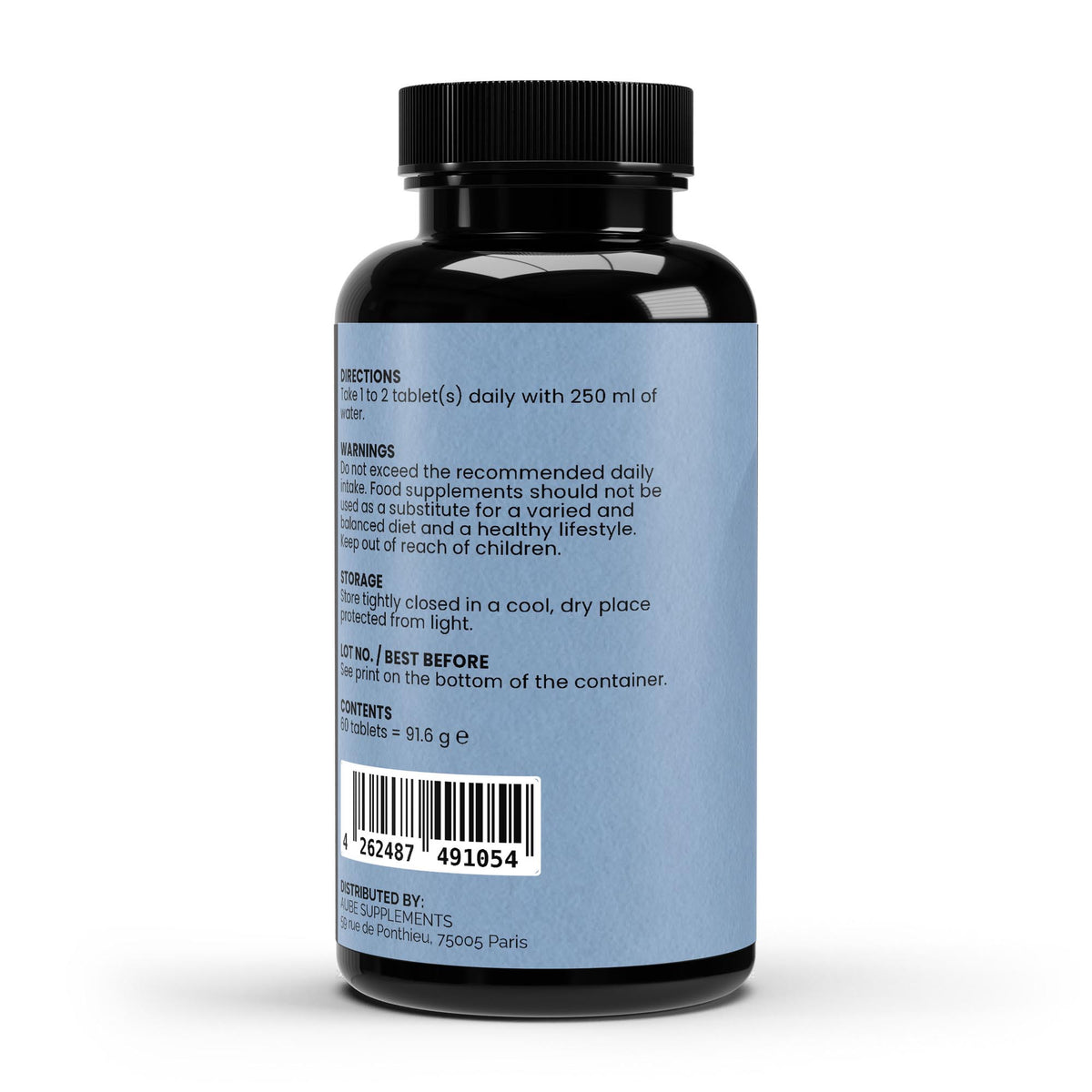
Take 1 to 2 tablets daily with 250 ml of water.
Warnings
Do not exceed the recommended daily dose. Food supplements should not be used as a substitute for a varied and balanced diet and a healthy lifestyle. Keep out of reach of young children.
Storage
Store in a cool, dry place away from direct sunlight.
Contents
60 vegan tablets — 91.6 g.
DE
- No allergen labeling (EU) 1169/2011
- Vegan Friendly
- No added sugar
- Non GMO
Less fatigue. Support for everyday function. Magnesium contributes to the reduction of tiredness and fatigue, normal muscle function and the nervous system. When dietary intake falls short, meeting this nutritional need is a practical way to support the systems you rely on throughout the day.
Energy, muscles, nervous system: support where it counts. Magnesium participates in normal energy-yielding metabolism, protein synthesis and electrolyte balance. Bisglycinate binds magnesium to glycine, bringing a defined chemical form to a nutrient with well-established everyday functions.
Legumes, nuts, seeds, whole grains and leafy vegetables are useful dietary sources. Supplementation can complement an insufficient intake, but persistent fatigue or sleep difficulties have many possible causes. Kidney disease and medicines that interact with magnesium require professional advice; a regular sleep rhythm and balanced meals remain essential.
- Contributes to the reduction of tiredness and fatigue
- Contributes to normal muscle function
- Contributes to normal functioning of the nervous system
- Contributes to normal energy-yielding metabolism
Less fatigue. Normal muscle and nervous-system function. These established nutritional roles give magnesium a clear everyday purpose. Ingredient research also explores sleep and cardiovascular measures, with randomised trials providing quantified findings in specific populations.
Sleep quality, studied against placebo. In a 2025 double-blind trial involving 155 adults reporting poor sleep, four weeks of magnesium bisglycinate at 250 mg/day of elemental magnesium improved self-reported insomnia severity more than placebo: −3.9 versus −2.3 points. A measurable difference in the questionnaire score that makes this form an interesting subject of sleep research.
A broader research base. A 2016 meta-analysis pooled 34 randomised, double-blind trials involving 2,028 adults. At a median supplemental dose of 368 mg/day over three months, average blood pressure reductions were approximately 2.0 mmHg systolic and 1.8 mmHg diastolic. These ingredient-level findings covered different magnesium formulations and participant groups; they describe nutritional research, not a treatment recommendation.
Build consistency around the essentials. Use magnesium to complement dietary intake, alongside balanced meals and a regular sleep routine. Follow the product directions rather than research doses, and seek professional advice for persistent fatigue or sleep difficulties.
Schuster et al. — Magnesium Bisglycinate Supplementation in Healthy Adults Reporting Poor Sleep: A Randomized, Placebo-Controlled TrialZhang et al. — Effects of Magnesium Supplementation on Blood Pressure: A Meta-Analysis of Randomized Double-Blind Placebo-Controlled TrialsShare

- 5 stars: 3 (100%)
- 4 stars: 0 (0%)
- 3 stars: 0 (0%)
- 2 stars: 0 (0%)
- 1 star: 0 (0%)
Facile à prendre au quotidien, rien à redire.
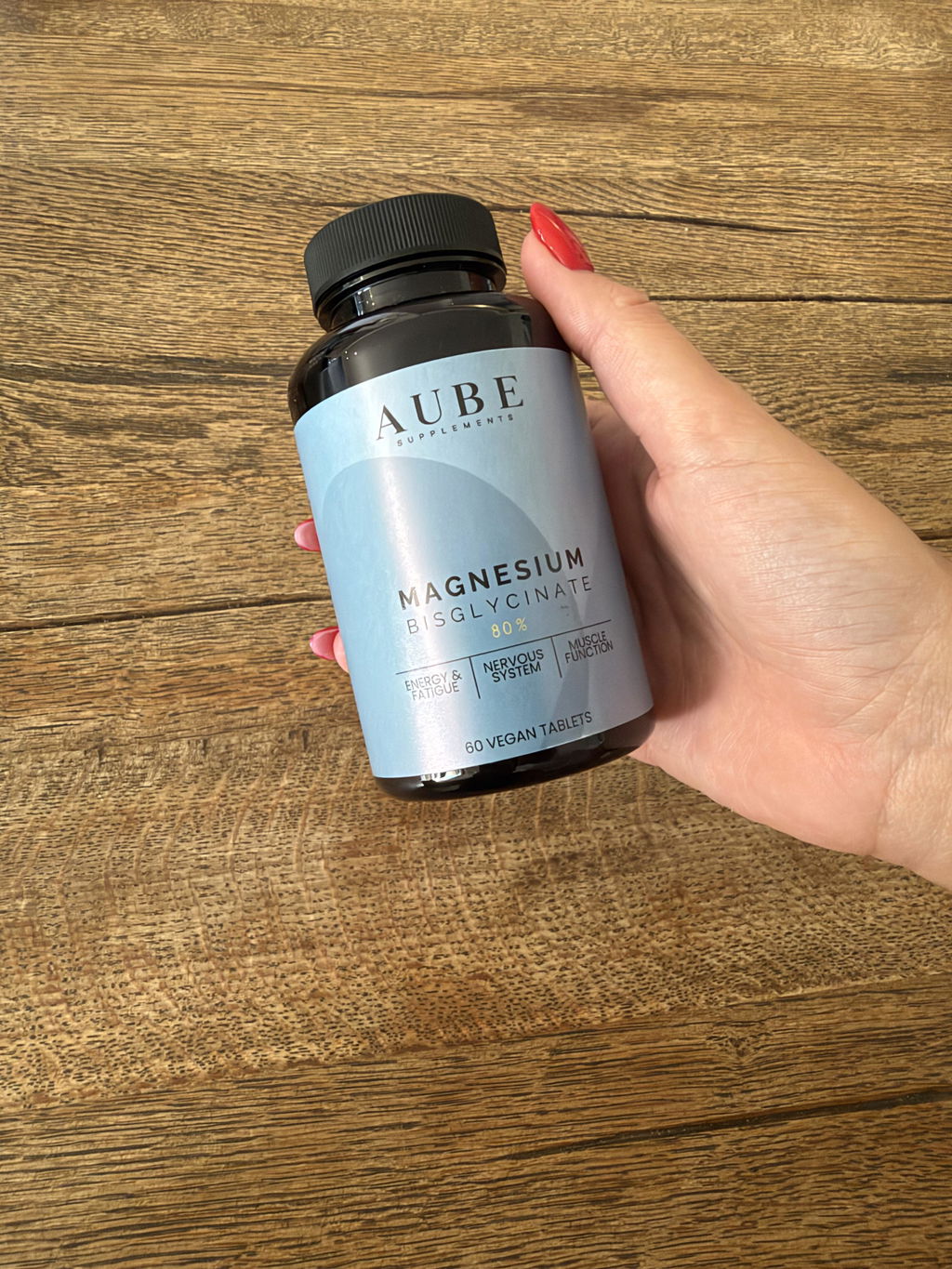
Produit de super qualité ! Efficace contre le stress et la fatigue et tolérance digestive irrrprochable
Je repasserai commande
Quick delivery with a great product quality. Thanks !